

The Art of Making People Feel Welcome
There is a particular feeling when you enter a home or a room and immediately feel welcome.
It is rarely created by one grand gesture or by everything being perfect. More often, it comes from a collection of thoughtful details. A warm light, flowers on the table, somewhere comfortable to sit, and the quiet sense that somebody has considered how you will feel when you arrive.
Some of the world’s best hotels understand this beautifully. Many have spent generations learning how a room should welcome somebody. They consider the first thing you see, the lighting, the flowers, the scent and the small comforts that make you feel cared for.
We may not have a grand hotel lobby or a team quietly plumping cushions behind us, but we can borrow some of that thinking for our own homes.
Whether we are welcoming a friend for coffee, gathering the family around the table or inviting guests to a special celebration, the same simple principles can help us create that feeling.
Welcome begins before anyone sits down

The feeling starts at the entrance.
A seasonal wreath on the door, a pot filled with foliage, or flowers placed in the hallway can create a lovely first impression. They do not need to be enormous. They simply need to feel considered and connected to what is waiting beyond them.
I often think of an entrance as the beginning of a story. It offers a small glimpse of what is to come and gently leads people into the space.
This is just as true in a home as it is at a wedding or larger event. When the entrance feels welcoming, guests immediately know that they have arrived somewhere special.
Create one moment that draws the eye

Every room benefits from having one place for the eye to settle.
It may be flowers on a dining table, foliage around a fireplace, a group of candles on a sideboard or a favourite bowl filled with something gathered from the garden.
It does not have to be the largest or most expensive thing in the room. It simply needs enough presence to make the space feel purposeful.
Trying to make every corner compete for attention can leave a room feeling busy. One beautiful focal point, supported by smaller details, often creates a calmer and more generous atmosphere.
Remember the quiet corners

Not every thoughtful detail needs to be placed where everybody will see it at once.
The only place my nan always put flowers was in the bathroom. It would be something small to look at while you paused to wash your hands, perhaps sitting beside special toiletries or a lovely hand cream.
It was only a little touch, but it said that every part of her home, and every moment of your visit, had been considered.
A tiny vase beside the basin, a flower on a bedside table or a sprig of foliage near the kettle can be just as welcoming as a large arrangement in the hallway. Sometimes it is these quieter details that people remember most.
Repeat rather than overcrowd
One of the simplest ways to make a room feel beautifully put together is through repetition.
A colour used in the entrance might appear again in the flowers on the table. A particular foliage could be repeated in a small vase or tied around a napkin. Candlelight might lead from one area of the room to another.
These connections do not need to be obvious. In fact, they often work best when they are quietly noticed rather than announced.
Repetition gives the eye a path to follow and makes individual details feel as though they belong together. It creates a sense of flow without needing to fill every available surface.
Think about how the room feels

When styling a space, it is very easy to concentrate on how it looks. However, how it feels is just as important.
Is the lighting soft enough? Can people move around comfortably? Can they see and talk to one another? Is there somewhere sensible to put down a glass or cup?
Flowers can add beauty, colour and softness, but they should never become an obstacle. A dining arrangement should allow conversation to flow across the table. A hallway display should welcome people in, not send them squeezing sideways through the front door.
The best hotels understand that real luxury is often found in ease. Nothing jars, nothing feels awkward and everything you need seems to be exactly where you expect it.
The best styling works in the same way. It supports what is happening in the room and helps people relax, settle in and enjoy being together.
Make it personal

A welcoming space should feel like you.
It might include flowers in a colour you have always loved, foliage gathered responsibly from your garden, your grandmother’s vase, inherited tableware or a bowl you found years ago and could not resist.
These are often the details people remember because they carry a story.
Creating a beautiful setting does not have to mean buying everything new. Using what we already own, mixing treasured pieces with seasonal touches and choosing decorations that can be used again can create something far more individual.
For me, this is also where sustainability and style sit happily together. Reusing something does not make it less special. It gives us the opportunity to see it differently and allow it to become part of another story.
Leave room for life to happen
A beautifully prepared room should not feel so precious that nobody dares touch anything.
Napkins may move, chairs will be pulled out and somebody will almost certainly put something in the one place you had not intended. That is not the styling being spoiled. It is the room beginning to fulfil its purpose.
The loveliest spaces have room for conversation, laughter, shared food and all the small, unpredictable moments that happen when people gather together.
Ultimately, making people feel welcome is not about impressing them. It is about helping them feel that they belong.
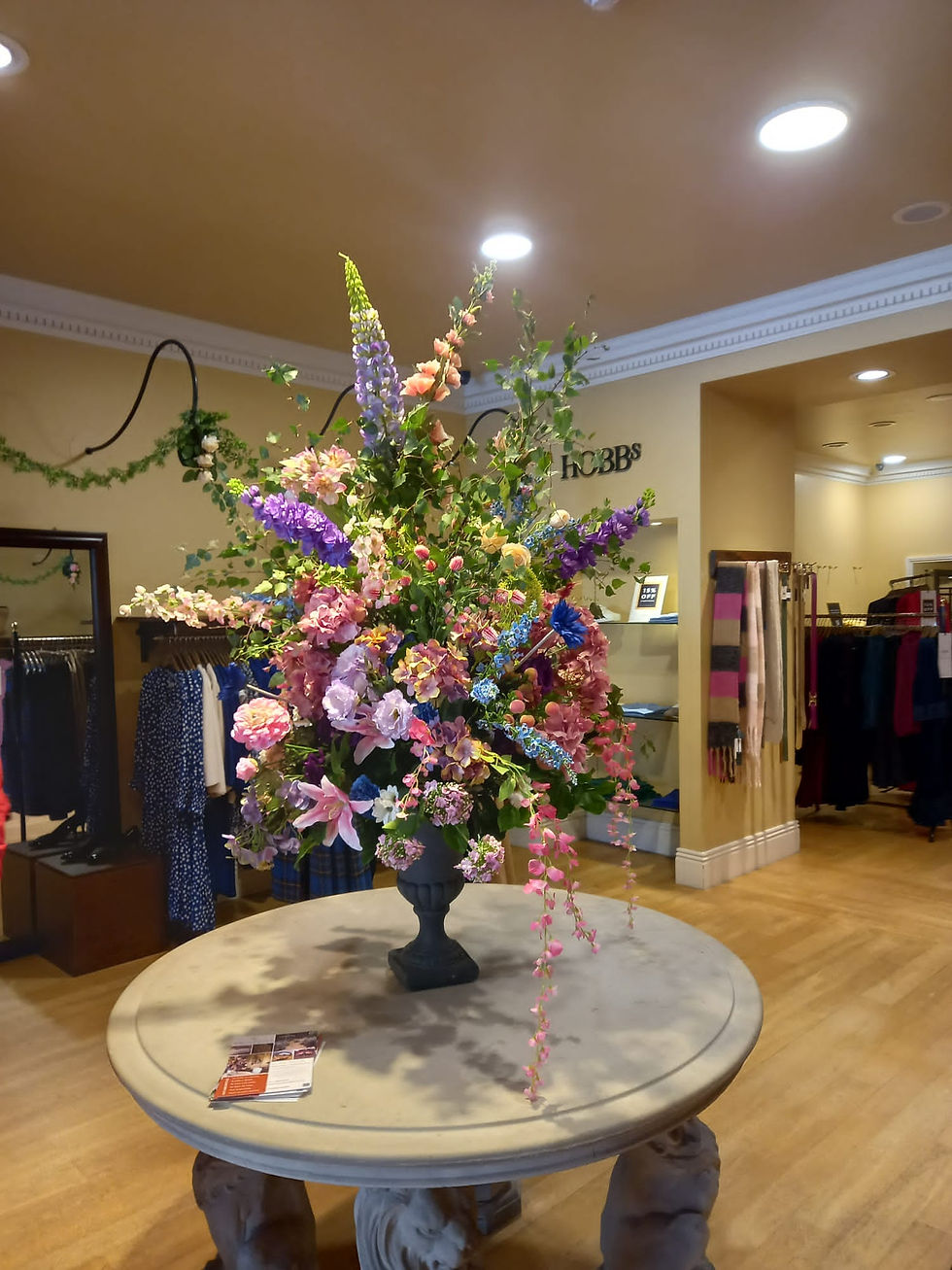
The same thought sits behind every space I style, whether it is a table for six, a wedding breakfast, a seasonal installation or a gathering for a hundred people.
The scale may change, but the intention remains the same: to create something beautiful, thoughtful and personal, then leave enough room for people to make it their own.


Comments